
Views: 5669 Author: Site Editor Publish Time: 2026-11-03 Origin: Site

The EU Deforestation Regulation, known as Regulation (EU) 2023/1115, applies to seven commodities and to the products made from them that are listed by customs code in Annex I. It applies from 30 December 2026 for large and medium-sized operators and from 30 June 2027 for micro and small operators. For playground equipment the practical answer is usually that a complete set is outside the scope, because outdoor play equipment is classified under heading 9506 and toy-scale equipment under heading 9503, and neither heading appears in Annex I. What does change is the paperwork a European customer asks for, and the separate timber products that a supplier ships alongside a set. A buyer who answers the classification question in writing, with the customs code for each line of the quotation, avoids a delay at the customs stage.
This guide explains how the scope is decided, where a finished playground set sits, what changed in September 2026, what a European buyer will ask a supplier for, and how these rules sit alongside EN 1176 and CE marking. The distinction that matters most is between a product that is in scope, meaning it appears in Annex I, and a product that is subject to a supplier questionnaire, which is a commercial condition imposed by a buyer and applies regardless of the legal scope. For the equipment itself, the answer is normally that it sits in heading 9506 or 9503 and is not listed. For the timber and rubber content that travels with the equipment, the answer depends on the customs code of each separate item.
Quick Answer
1. What the EU Deforestation Regulation Is and When It Applies
2. How the Scope Is Decided: Customs Codes, Not Materials
3. Where a Finished Playground Set Sits in the Scope
4. What Changed in September 2026 and What It Means for Shipments
5. What a European Buyer Will Ask a Supplier For
6. How This Differs From EN 1176 and CE Marking
7. Frequently Asked Questions
8. Common Mistakes to Avoid
9. Buyer Checklist
10. Final Thoughts
The EU Deforestation Regulation, abbreviated to EUDR, is Regulation (EU) 2023/1115. It was adopted on 31 May 2023 and entered into force on 29 June 2023, and it replaces the earlier EU Timber Regulation, Regulation (EU) No 995/2010. The purpose is to ensure that commodities and the products made from them, when placed on the EU market or exported from it, do not come from land that was deforested after 31 December 2020, and that they were produced in compliance with the law of the country where they were produced. The cut-off date of 31 December 2020 is the reference point for every deforestation test that follows.
The regulation covers seven commodities: cattle, cocoa, coffee, oil palm, rubber, soya and wood. The obligations sit with the party that places the product on the EU market or exports it from the EU, which is described in the text as the operator. An operator must gather evidence about every consignment, carry out a risk assessment on that evidence, and file a due diligence statement, which is a record submitted in the EU Information System whose reference number is then entered on the customs declaration. Records of the operators, traders and volumes involved are kept for five years. The geolocation of each plot of production is required as part of the evidence, drawn as a polygon where the plot is larger than four hectares, together with the production period.
The application dates were moved twice and then settled. Regulation (EU) 2024/3234 postponed the start by one year, and Regulation (EU) 2025/2650, published in December 2025, postponed it again and simplified the rules at the same time. Under the current timetable the main obligations apply from 30 December 2026 for large and medium-sized operators, for downstream operators and traders of all sizes, and for micro and small operators that were already covered by the EU Timber Regulation. They apply from 30 June 2027 for the remaining micro and small operators and for natural persons. The December 2025 amendment also introduced two new categories of actor, downstream operators and micro or small primary operators, which changes who files a statement and who only passes on a reference number.
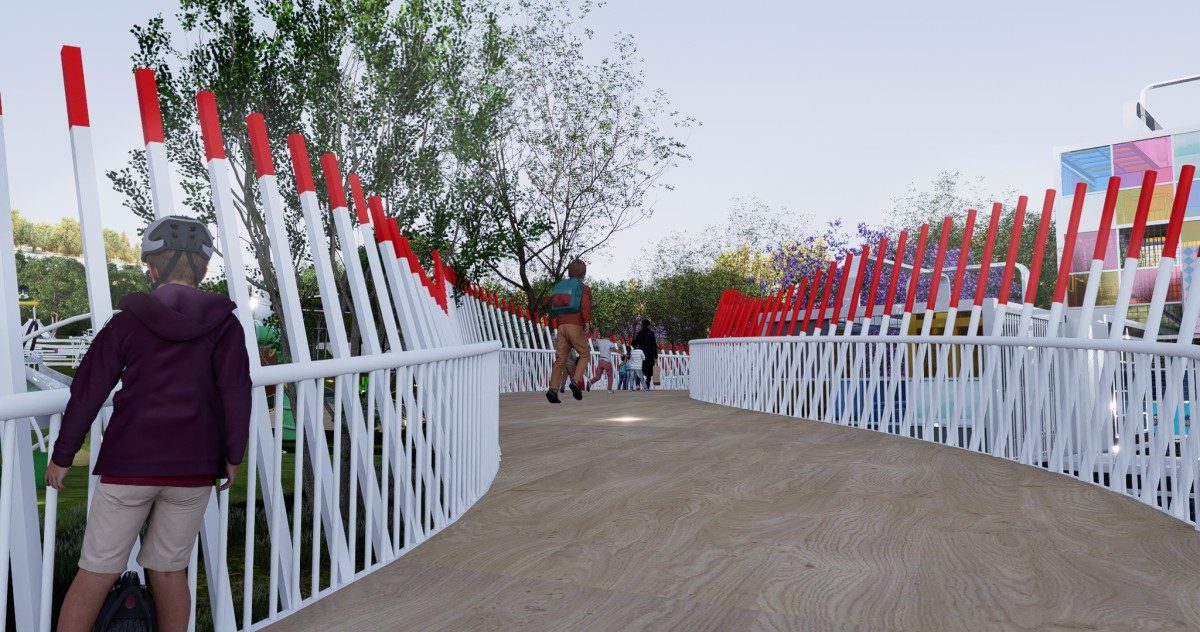
Product reference from the NUUTOO project library.
The single most important mechanic of the regulation is that scope is set by the customs code of the product, and not by the material the product happens to be made from. Annex I lists products by their Harmonised System code and, where the EU has extended it, their Combined Nomenclature code, which is the eight-digit form used for EU customs declarations. A product is a relevant product if its code appears in that list. A product that contains a covered material but whose code is not listed is not covered. This is why the widely repeated statement that anything made of wood is regulated is wrong, and why the widely repeated statement that nothing made of wood is regulated is also wrong.
The same reasoning applies to rubber. Rubber is one of the seven commodities, but the regulation does not sweep in all of Chapter 40. Annex I lists natural rubber under heading 4001 and a set of derived articles marked with the prefix ex, which means that only the part of that heading derived from natural rubber is covered. Synthetic rubber, which is petrochemical rather than plantation, is not covered. A playground component moulded in synthetic rubber and a rope net with a synthetic core therefore sit outside the regulation on the rubber question, while a product that contains natural rubber from the Hevea species does not.
Two clarifications from the September 2026 amendment matter for this reading. The rubber commodity is now confined to Hevea brasiliensis, so balata, gutta-percha, guayule, chicle and synthetic rubber are excluded. The wood commodity is defined by species in the same way, and products made from bamboo, rattan and other non-covered woody materials are excluded. The practical consequence for a playground supplier is that the material declaration a buyer requests should state the species, not only the word timber, because the regulation turns on exactly that line.
Playground equipment is classified under two headings depending on scale and use. Outdoor slides, swing sets, climbing frames and complete play installations are normally classified under heading 9506, as articles and equipment for general physical exercise and for outdoor games, and the subheading for other such equipment is 9506 99. Toy-scale play equipment, ride-on toys and rocking toys fall under heading 9503 as toys. Neither 9503 nor 9506 appears in Annex I. The consequence is that a complete playground set, sold as one product and placed on the EU market as one product, is normally outside the scope of the regulation. Finland's competent authority has taken the same position on a toy with wooden parts, on the grounds that toys are not listed in Annex I.
Where the regulation does reach a playground supplier is in the separate items that accompany the set. Wood products sit in Chapter 44 of the Harmonised System, from 4401 to 4421, and that chapter is listed. A timber deck panel, a wooden seat board or a timber climbing element that is sold as a product in its own right is therefore a relevant product, while the same component incorporated into a completed and supplied playground set is not. The same is true of wooden crates and pallets that are placed on the market as products, which is why the packaging clarification in September 2026 was significant for exporters. Because a set is a set, the classification of the finished equipment and the classification of its loose components have to be answered separately.
Classification is not something to assume. The correct code depends on the material, the function and the degree of processing, and it has to be established to the standard of a customs declaration rather than to the standard of a product brochure. The safe route is to have the code confirmed by a customs broker in the destination country, and for a large or first order, to request a binding tariff information ruling from the authority before the deposit is paid. A code confirmed in advance is a document; a code assumed in advance is a risk that surfaces at the port.

Product reference from the NUUTOO project library.
Delegated Regulation (EU) 2026/2102 was published on 17 September 2026 and entered into force on 18 September 2026. It is the most recent change to the product scope and it moves in both directions, adding some entries and removing more. Removed from Annex I are raw cattle hides, skins and leather, conveyor and transmission belting under heading 4010, other articles of vulcanised rubber under heading 4016, aircraft seats and motor vehicle seats, and soybeans for sowing. Retreaded tyres are narrowed so that only tyre treads under code 4012 90 30 remain covered. Added to Annex I are soluble coffee, a group of palm oil derived chemicals and frozen cattle tongues, but the seventeen newly added entries are deferred and apply from 30 December 2027 rather than from the main date.
For a playground equipment exporter the most directly useful part of the amendment is the clarification of exemptions. Packaging materials and containers used solely to support, protect or carry another product are outside the scope, which covers the timber crates, pallets and dunnage that a play set travels in. Samples and products used for analysis, examination and testing are excluded. Marketing materials, labels accompanying a product and correspondence are excluded. Waste, used products and second-hand products are excluded. In practice, a container of playground equipment that arrives with its own packing timber does not generate a separate due diligence obligation for that timber, and a sample sent for evaluation is not caught by the regulation either.
The table below sets out the four questions that decide whether a line on an invoice to the EU needs attention, together with the answer that applies to each. The two middle rows are where most of the confusion in the industry sits, because a supplier sees timber in the specification and assumes the whole set is affected. The bottom row is the one that gets skipped, and it is the one that produces a customs query.
| Item on the shipment | Customs code to check | Review question to settle before the order is confirmed |
|---|---|---|
| Complete outdoor play installation sold as one product | 9506 99 for outdoor games equipment | Is the set classified and supplied as one article, and is the code confirmed in writing by a broker or a binding ruling? |
| Toy-scale equipment sold for indoor use | 9503 00 as toys | Is the item a toy under EN 71 or public play equipment under EN 1176, and does the declared code match that choice? |
| Timber deck, seat board or climbing element supplied loose | Chapter 44, from 4401 to 4421 | Is the component placed on the market as a product in its own right, and if so can the species, origin and legality evidence be supplied? |
| Timber crates, pallets and dunnage used only for transport | Chapter 44, or 4415 for pallets | Are the packing items supporting, protecting or carrying the goods only, which exempts them since 18 September 2026? |
| Rubber components and rope net cores | 4001 for natural rubber, 4002 for synthetic | Is any Hevea-derived natural rubber present, given that synthetic rubber and other natural gums are excluded? |
The legal scope and the commercial request are two separate things, and a supplier who treats them as one will either over-comply or under-respond. The commercial reality is that a European buyer sends a timber and rubber questionnaire on the strength of the material in the specification, regardless of whether the finished product is listed in Annex I. This is a reasonable position on the part of the buyer, because the buyer may be the operator for some lines and not for others, and because a supplier who can answer the question in one page removes the need for a legal opinion. Losing an order over a rule that does not apply is still losing the order.
A response that satisfies a European buyer does not need to restate the regulation. It needs to state, for each line of the quotation, the customs code, whether that code appears in Annex I, and the evidence that supports the answer. For a complete play set, that is a short letter: the code is 9506 99, the code is not in Annex I, the set is supplied as one article, and the supporting documents are the EN 1176 type examination certificate and the declaration of conformity. For a separately supplied timber component, the answer is longer, because it needs the species, the country of harvest, the supplier and the legality evidence, and it may need the geolocation of the plot of production where the plot exceeds four hectares.
It is worth noting where the obligation sits in the chain. Under the December 2025 amendment, the duty to submit a due diligence statement belongs exclusively to the operator who first places the product on the EU market. A downstream operator or trader does not file its own statement; it collects and retains the reference number of the initial declaration made by the party above it, together with the data of the operators above and below it. A buyer who is the importer and the first placer is therefore the operator for that consignment, and it is the buyer, not the factory, that files with the Information System. The supplier's task is to make that filing possible by supplying the underlying evidence in a usable form.
The packaging and shipping detail is what a supplier controls directly, and it is where a lot of the paperwork effort is actually spent. A set of play equipment is crated, and the crates travel as timber. Before September 2026 a separately placed wooden pallet on code 4415 was inside Annex I, and the same reasoning applied to crates. After the amendment, packing material used solely to support, protect or carry another product is excluded, and the timber that travels with the goods as packing falls into that exclusion. A supplier who keeps the packing list separate from the product list, and states which items are packing, has already done most of the work.
Product reference from the NUUTOO project library.
The EUDR and the product safety rules for playground equipment answer completely different questions, and a project file that mixes them becomes hard to audit. EN 1176 is a product safety standard. It governs the design, the structural strength, the fall height, the entrapment and the durability of the equipment, and the type examination certificate and the declaration of conformity are the evidence that a set meets it. The EUDR is a supply chain and land-use rule. It governs where a commodity was grown and whether that land was deforested, and its evidence is a due diligence statement built on geolocation, a cut-off test and a risk assessment. A set can carry a CE mark with an EN 1176 certificate and still raise EUDR questions, and a set can be outside the EUDR and still need its EN 1176 evidence. Neither document substitutes for the other.
The division of labour between the parties is also different. On product safety, the manufacturer carries the obligation. The declaration of conformity must name the manufacturer or its authorised representative with a full business address, the product identification, the means of identification that allow traceability, the legislation and the harmonised standards used to demonstrate compliance, the name and signature of the signatory and the date of issue, and a copy must be kept for ten years after the product is placed on the EU market. On the EUDR, the operator carries the obligation, which for a direct import into the EU is normally the buyer.
The two sets of documents also have different audiences. The safety file is reviewed by a notified body, a local authority inspector or a buyer's own consultant, and it is written to be checked clause by clause against a standard. The deforestation file is reviewed by a customs authority, and it is written to be checked against a shipment. A buyer who sends one document set to answer both requests will get neither answered properly. The practical arrangement is to keep the safety pack and the traceability pack separate, to reference both in the contract, and to state which pack each milestone requires.
No, not in most cases. Outdoor play equipment is classified under heading 9506 as articles and equipment for outdoor games, and toy-scale equipment under heading 9503 as toys, and neither heading appears in Annex I of the regulation. A set supplied as one article and placed on the EU market as one product is therefore normally outside the scope, even where its materials include timber and rubber. Two conditions have to hold for that answer to be reliable. The classification must be correct, and the set must genuinely be supplied as one product rather than as a collection of separately placed components. The classification should be confirmed by a customs broker in the destination country or by a binding tariff information ruling, because it is the code that decides the question, not the material.
Not since 18 September 2026. Delegated Regulation (EU) 2026/2102 excluded packaging materials and containers used solely to support, protect or carry another product, and the timber crates, pallets and dunnage that travel with a consignment of play equipment fall into that exclusion. The exclusion is conditional on the purpose. A pallet bought as a product in its own right, placed on the market to be used as a pallet, is treated differently from one used only to carry the goods. The practical step is to keep the packing list separate from the product list and to identify the packing items as packing on the shipping documents, so that the customs declaration and the buyer both see which is which.
It depends on the customs code and on the species. Rubber is one of the seven commodities in the regulation, but the rubber commodity is confined to Hevea brasiliensis, and synthetic rubber is excluded altogether. Annex I lists natural rubber under heading 4001 and a set of derived headings marked with the prefix ex, which means only the natural-rubber portion of those headings is covered. The September 2026 amendment removed conveyor belting under 4010 and other articles of vulcanised rubber under 4016, and narrowed retreaded tyres to tyre treads. A moulded component in synthetic rubber therefore sits outside the regulation, and a material declaration that states the rubber type and its origin settles the point for the buyer without any further analysis.
No, the party that first places the product on the EU market files the due diligence statement, which for a direct import is normally the buyer. Regulation (EU) 2025/2650 reserved the obligation to submit a due diligence statement exclusively to the operators who first place the product on the market. A downstream operator or a trader below that point does not file a statement of its own; it collects the reference number of the initial declaration and keeps it, along with the records of the operators who supplied it and the operators it supplied. A supplier therefore cannot file the statement for the buyer, but it can make the filing possible by providing the plot geolocation, the harvest country, the species, the legality evidence and the risk assessment inputs that the statement requires.

Product reference from the NUUTOO project library.
The most common mistake is deciding the scope from the material rather than from the code. A supplier sees timber in the specification, assumes the regulation applies to the whole set, and either declines to quote or attaches a forestry compliance package to an order that does not need one. The cost is a longer quote, a slower evaluation and a buyer who now has documents they did not ask for. The second most common mistake is the reverse: treating the questionnaire as optional because the code is not listed, and leaving the buyer to resolve it with their own legal team. A one-page classification answer costs less than that. The third is assuming the September 2026 packaging exemption reaches everything timber, including timber components that are supplied as products in their own right.
The fourth mistake is on the documentation side, and it is the one that causes the most rework. A material declaration that says timber, without the species and the country of harvest, cannot be used for anything, because the regulation turns on exactly those two facts. The fifth is failing to separate the packing list from the product list, which produces a customs query on the container rather than on the document. The sixth is quoting a code without having it confirmed, and discovering the reclassification when the goods are already on the water. Each of these six is avoidable before the order is confirmed, and none of them is unavoidable afterwards.
Customs code stated for every line of the quotation, with the code confirmed in writing by a broker in the destination country
Each code checked against the current consolidated Annex I, with the result recorded as a date rather than as a recollection
Separately supplied timber components listed separately from the finished set, with species, harvest country and legality evidence for each
Rubber content declared by type, distinguishing Hevea-derived natural rubber from synthetic rubber
Packing list separated from the product list, with crates, pallets and dunnage identified as packing material
Written confirmation of which party is the operator and files the due diligence statement for the consignment
Requirement for the upstream declaration reference number agreed with the supplier before shipment
Traceability evidence requested in a stated format, with the format agreed in the contract rather than after the order
EN 1176 type examination certificate and declaration of conformity kept in a separate file from the traceability pack
Ten-year retention of the declaration of conformity and five-year retention of the supply chain records both acknowledged
The EU Deforestation Regulation is a land-use and traceability rule, and the part of it that touches a playground supplier is narrower than the headlines suggest. A finished play set is normally classified outside Annex I and sits outside the scope, while the timber and rubber items that travel beside it are assessed code by code. What has changed for the industry is that European buyers now ask, and the answer has to be given in writing, early, and in a form that a customs authority could check. That is a documentation task rather than a manufacturing one, which is why it can be settled before an order is confirmed rather than after a container has been loaded.
If you are preparing a quotation for a European customer, send the proposed customs codes and the material declarations through the NUUTOO project enquiry page and ask for a written confirmation of the classification and the traceability position for each line. Any supplier that can answer this clearly, and can point to the playground equipment and the supporting commercial playground manufacturer selection evidence behind the quotation, saves the buyer a round of legal review and removes the most common reason for a delivery to be held at the port.
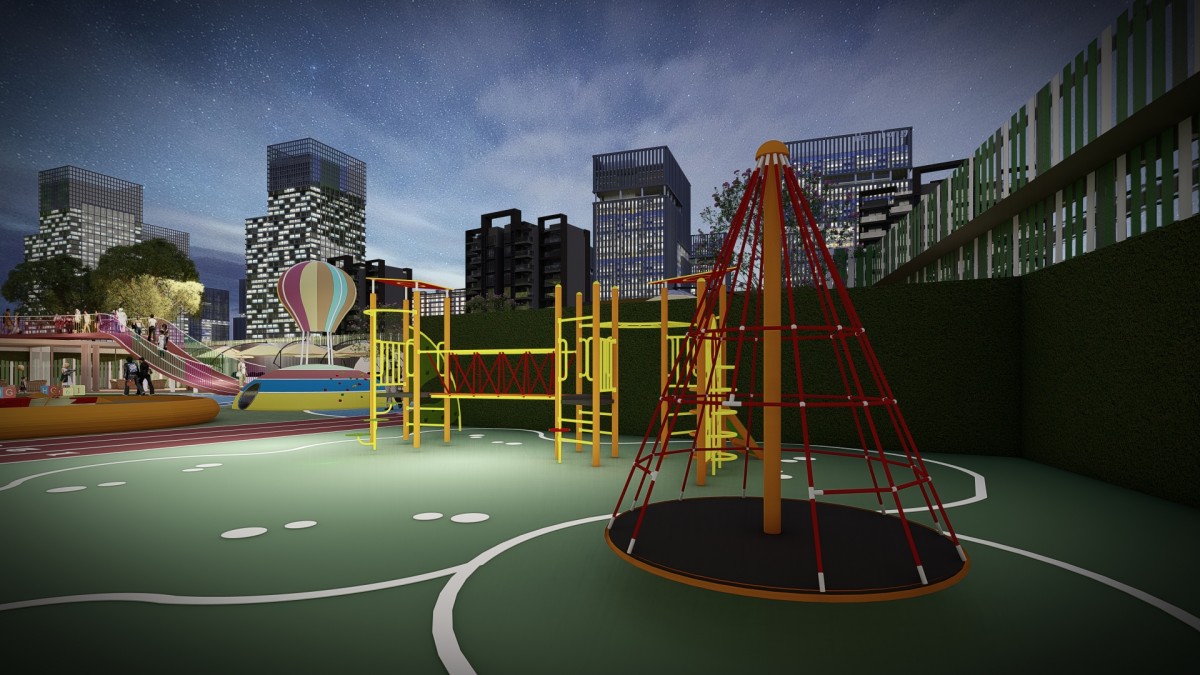
Product reference from the NUUTOO project library.
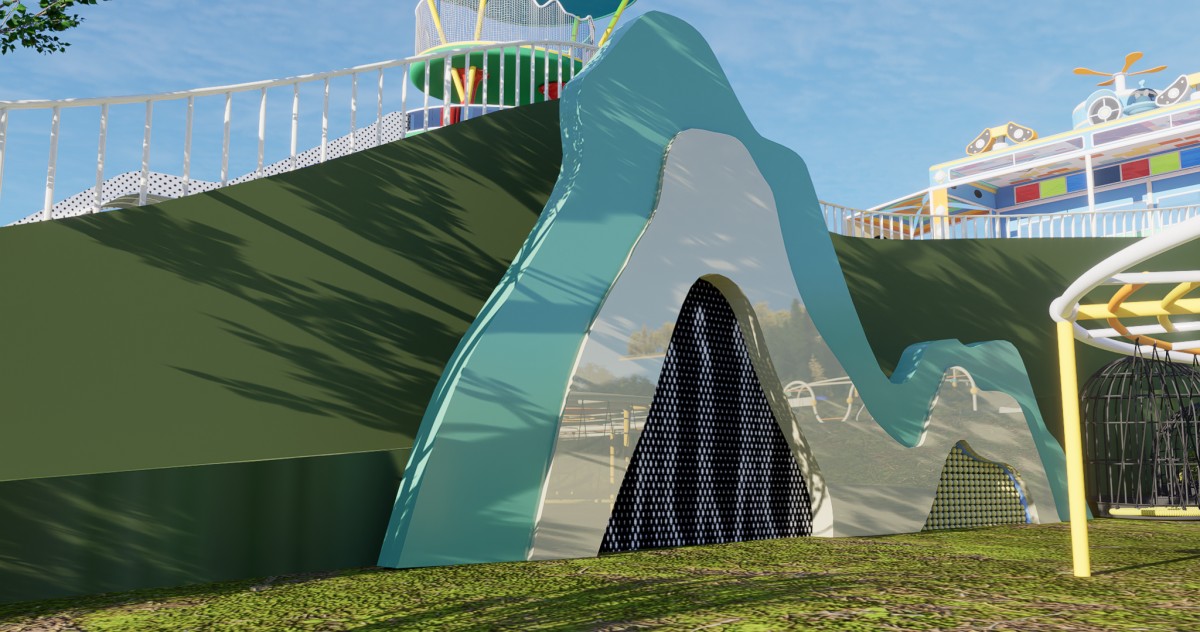
Product reference from the NUUTOO project library.
 English