Views: 5877 Author: Site Editor Publish Time: 2026-08-11 Origin: Site

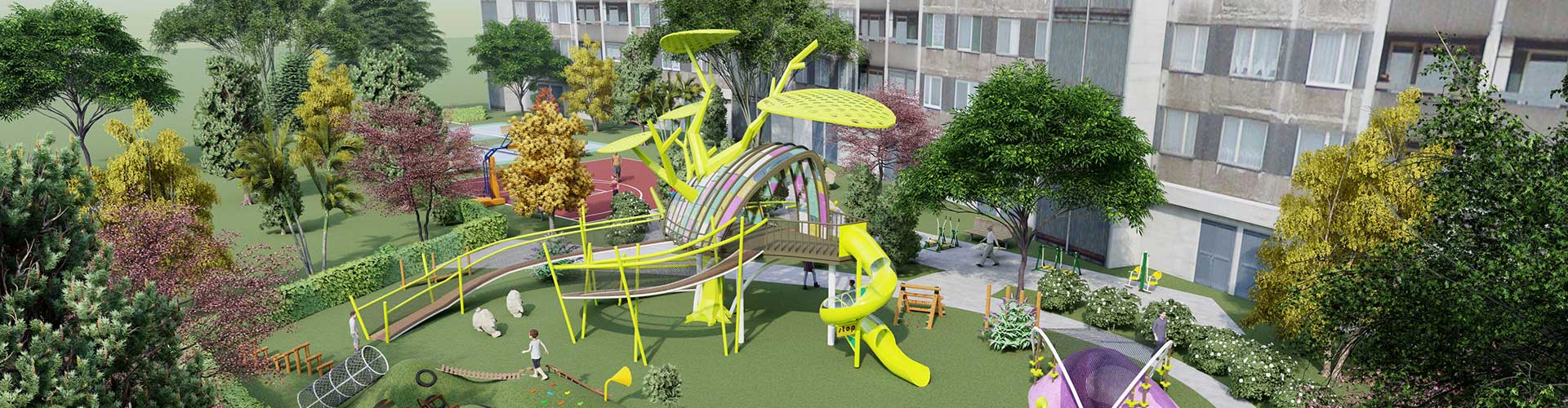
Many commercial indoor playground venues frequently experience bumps, scratches, and minor injuries during daily operations, which undermine user experience and venue reputation. Most safety incidents occurring in akids indoor playground are not caused by equipment failures, but by unreasonable spatial layouts and overlooked safety details of indoor playground equipment. Widely installed in shopping malls, kindergartens, and family entertainment centers, non-powered playground facilities feature low maintenance requirements and stable playability. To create secure, kid-friendly recreational spaces, venue operators should follow professional safety design standards and avoid common layout flaws of indoor playground equipment.
1. Avoid Dense Layout: Optimize Indoor Playground Space Planning
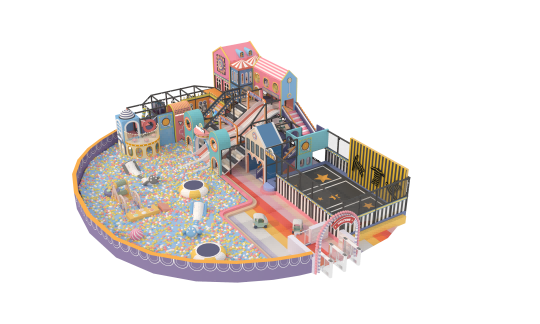
Excessively dense layouts are one of the leading causes of frequent collisions in a kids indoor playground. To diversify recreational offerings, many operators install excessive amusement facilities within limited indoor space, resulting in narrow walkways and overlapping activity zones. When numerous children run and play simultaneously, such cramped conditions greatly increase collision risks. Professional safety design for indoor playground spaces emphasizes dedicated walking passages and buffer zones between different functional areas. Each set of indoor playground equipment requires appropriate safety spacing to prevent mutual interference during use. A standardized spatial layout effectively reduces crowd accumulation and disorderly movements, minimizing daily collision hazards.
2. Optimize Equipment Details: Eliminate Hard Contact Hidden Dangers
Rough structural details and exposed rigid components ofindoor playground equipment are major triggers of bumps and abrasions among children. Traditional non-powered facilities often come with sharp edges and exposed connectors, which may cause accidental injuries during free play. Trustworthy safety-oriented design for indoor playground spaces implements full soft wrapping and rounded corner processing on all contact surfaces. As a professional manufacturer, Wenzhou Letu Amusement complies with strict production specifications to refine equipment details and mitigate potential safety risks. High-density soft sponge and eco-friendly leather are adopted for the entire set ofkids indoor playground equipment to deliver reliable buffering performance. All internal and external fasteners are fully concealed to avoid hard contact, achieving comprehensive safety protection for children at play.
3. Scientific Zoning: Separate Play Areas for Different Age Groups
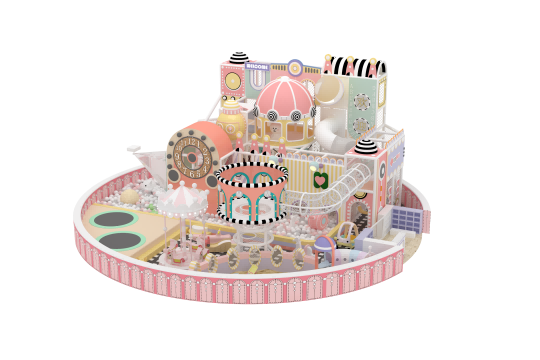
Unzoned mixed-age play areas are another prominent factor behind frequent collisions in an indoor playground. Toddlers move slowly and possess limited risk awareness, while older children favor fast-paced running and challenging activities, making cross-age play prone to accidental clashes. Scientific safety design divides a standard kids indoor playground into independent zones for toddlers and school-age children. Gentle static facilities such as slides and puzzle devices are arranged in toddler zones, while dynamic climbing and obstacle facilities are placed in exclusive areas for older kids. The categorized layout of indoor playground equipment separates different activity patterns, effectively reducing cross-age collision occurrences.
4. Optimize Ground Buffer Design: Alleviate Fall and Collision Injuries
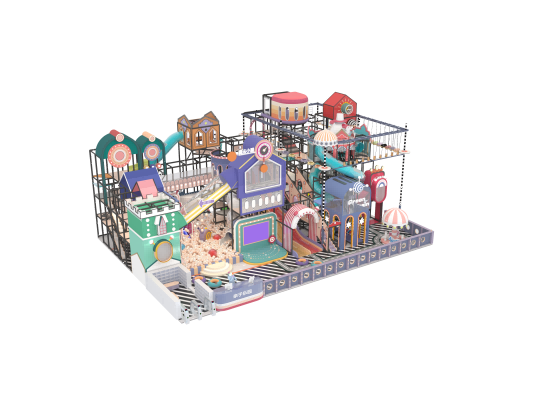
Minor collisions and falls are unavoidable in high-traffic indoor playground venues, making reasonable ground buffer design critical for risk control. Many conventional venue renovations neglect ground material selection, opting for thin, rigid floors with insufficient cushioning performance. Professional supporting design for indoor playground equipment utilizes thickened anti-slip soft mats with stable shock absorption capabilities. The integrated ground covering covers every corner of the kids indoor playground without gaps or exposed hard surfaces. This humanized buffer structure reduces the impact of falls and collisions, providing dependable secondary safety protection for playing children.
Conclusion
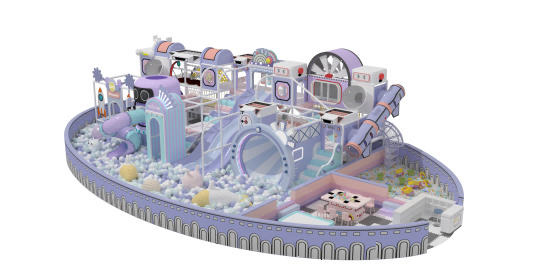
In summary, frequent collision problems in commercialindoor playground venues can be significantly alleviated through standardized safety design and scientific layout optimization. Reasonable space planning, meticulous equipment refinement, age-based zoning, and professional ground buffer installation are essential elements for constructing safe, functional indoor playground equipment. With extensive experience in custom indoor amusement venue development, Wenzhou Letu Amusement delivers tailored safety optimization solutions for diverse scenarios, assisting operators in building stable, child-friendly recreational environments. A well-designed kids indoor playground minimizes daily safety hazards and operational risks, enhances user experience, extends customer retention time, and fosters a stable, high-quality operating environment for long-term venue development.
 English