Views: 0 Author: NUUTOO Publish Time: 2026-10-16 Origin: NUUTOO
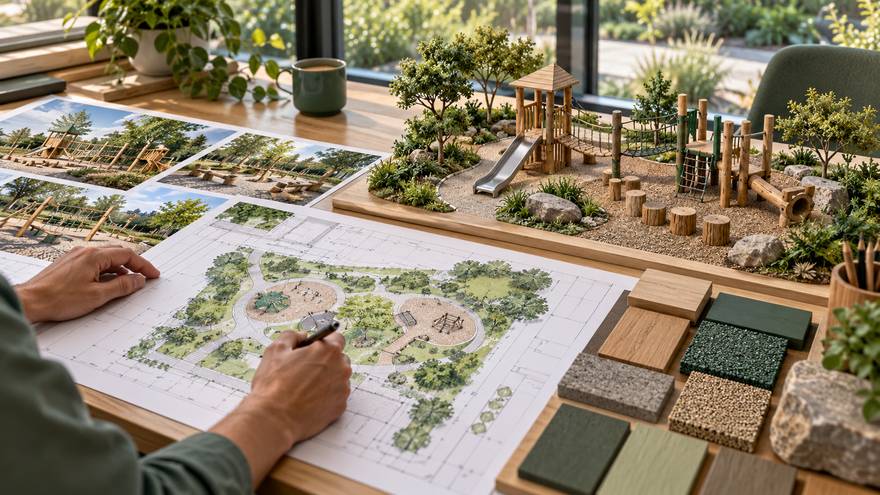
Table of Contents
1. Start with a site information pack
2. Describe users and play priorities
3. Separate design preferences from technical decisions
4. Define the scope that the quotation must cover
5. Give suppliers a consistent comparison brief
6. Frequently Asked Questions and Quote Preparation
Before requesting a custom playground equipment quote, prepare a measured site plan, intended users, priority activities, project location and a clear purchasing scope. Include photographs, access constraints and the responsibilities for foundations, surfacing, installation and handover. Explain the budget basis and decision timetable without treating either as a supplier commitment. Separate essential functions from visual preferences. A useful brief lets suppliers identify missing information and compare proposals on the same assumptions; a rendering alone cannot confirm technical suitability, compliance or the final delivered project cost.
A supplier can begin discussing a concept from a simple sketch, but a quotation needs a more precise basis. Provide a dated plan showing dimensions, orientation, entrances, changes in level and features that must remain. State which dimensions have been measured and which are provisional. Keep the original survey available so later design revisions do not rely on a compressed image with an unclear scale.
Photograph the proposed area from several directions. Include nearby buildings, paths, trees and the route equipment will take from the unloading point. Mark underground services and other restrictions where reliable information is available. If service locations are unknown, record that uncertainty instead of drawing a clear installation area that has not been checked.
Use the custom playground equipment range to explain the kind of solution you are considering. Product images communicate a starting direction, while the site pack explains the physical constraints. Ask the proposal team to distinguish the equipment footprint from the surrounding space required by the actual models and project requirements.
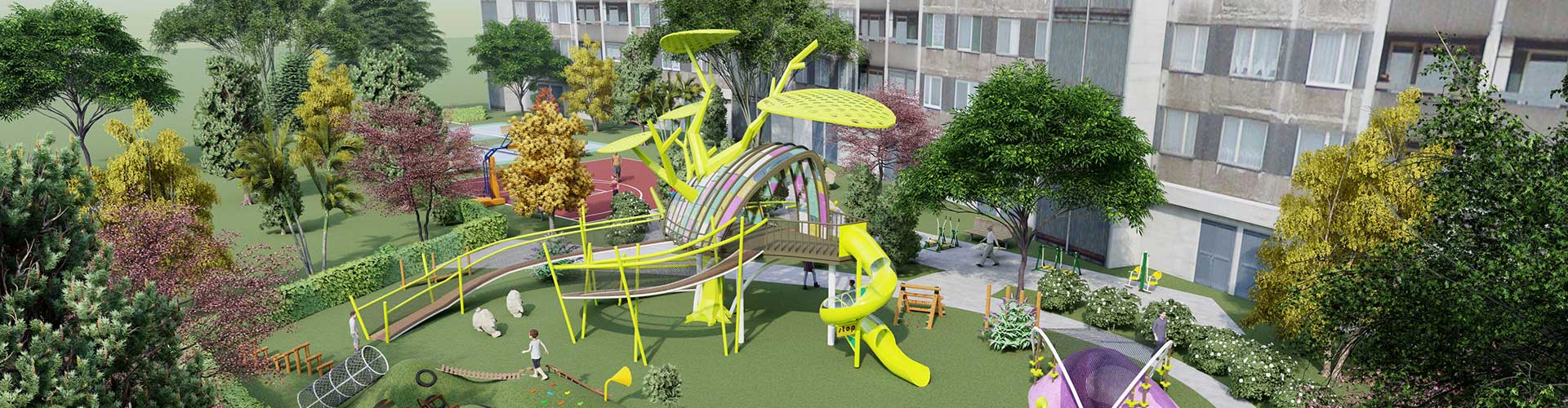
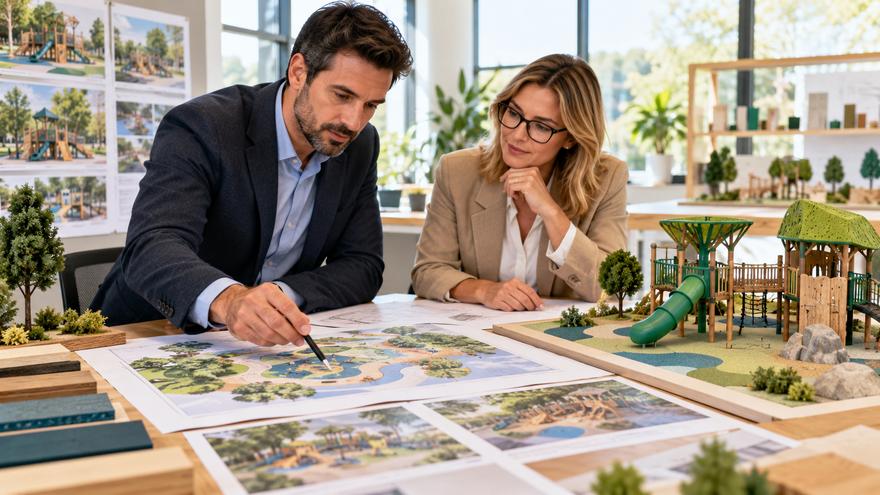
Concept illustration: Custom playground project briefing concept. AI-generated; not a completed NUUTOO project or construction drawing.
Specify who will use the playground and how it fits the wider project. A school, public park and residential courtyard can have different patterns of access, supervision and shared use. Explain the intended age groups and access needs, then request model-specific use information. Do not derive an age range from a structure's colour, theme or apparent height.
List the experiences the design should support, such as climbing, balancing, sliding, imaginative play or interaction at ground level. Identify essential activities before optional decorative features. A short ranked list makes design decisions easier when the available space or budget changes. It also helps avoid paying for several structures that repeat essentially the same activity.
Review the wider playground equipment selection before deciding that every component must be bespoke. A project may combine selected standard components with a customised layout or theme. Describe the functional outcome you want, allowing the supplier to explain which parts need individual development and which can be specified from an existing range.
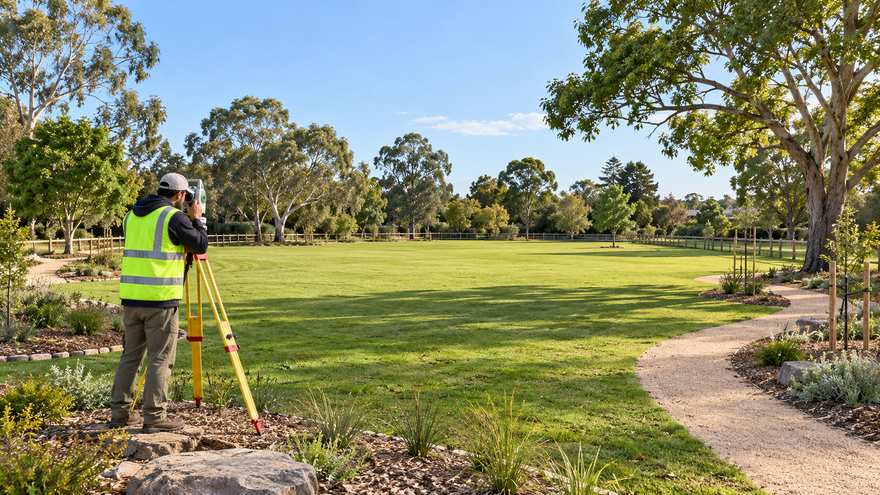
Concept illustration: Custom playground site survey concept. AI-generated; not a completed NUUTOO project or construction drawing.
Provide a small reference collection and explain what each image represents. You might like its landscape integration, activity sequence or palette rather than the exact structure. References should help the team understand intent; they do not establish permission to reproduce another designer's work or prove that its technical arrangement suits a different site.
Record the destination market and any requirements issued by the client, designer or relevant authority. Ask which drawings, model documents and checks are proposed at each stage. A general website statement about standards should not substitute for evidence concerning the products and installation being purchased. Keep unresolved requirements visible in the quotation assumptions.
Discuss materials alongside the exposure, expected use and available maintenance resources. Request specifications for the proposed components rather than assuming all timber, metal or plastic products perform identically. Agree who reviews foundations, connections and site interfaces. A concept approval should not be confused with approval of construction information or acceptance of the completed installation.
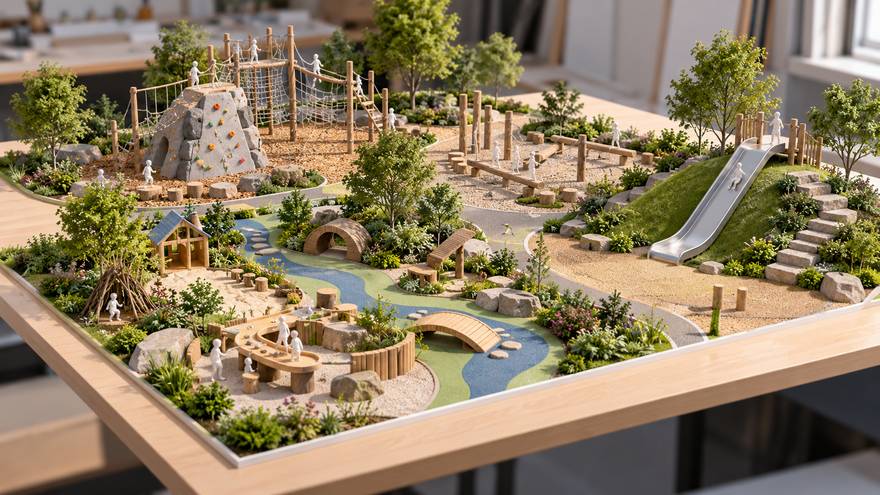
Concept illustration: Custom playground activity planning concept. AI-generated; not a completed NUUTOO project or construction drawing.
Equipment supply is one part of the project. Clarify who arranges surveys, site clearance, foundations, surfacing, freight, unloading, assembly and any required inspection. If different organisations provide these services, identify the information they need from one another. An excluded item remains a project responsibility even when it does not appear in the equipment quotation.
Coordinate playground surfacing with the actual equipment and site conditions. Ask for the proposed specification, interfaces and assumptions; do not request a universal thickness based only on a photograph. Drainage, edges and level transitions should be reviewed with the parties responsible for the surrounding works.
Explain the expected handover package and who will operate the space. Request instructions, parts identification and the relevant maintenance information for the supplied models. Discuss installation guidance, replacement parts and any warranty terms in writing for the specific order. Avoid assuming that a general service description includes every overseas site visit or local contractor task.
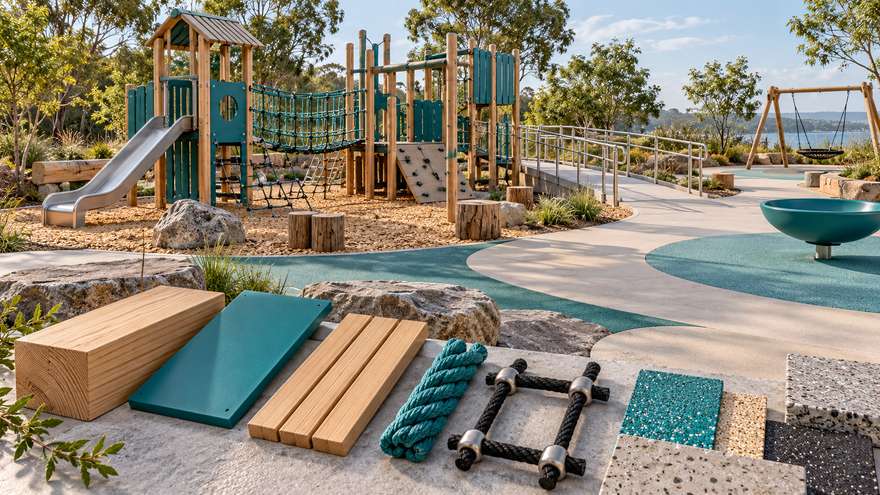
Concept illustration: Custom playground materials and access concept. AI-generated; not a completed NUUTOO project or construction drawing.
Use the same current information when asking several suppliers to quote. Record the drawing revision and request clear inclusions, exclusions and provisional allowances. When one proposal assumes a different activity mix or supply boundary, resolve that difference before comparing its total with another offer.
| Brief item | What the buyer should provide | What to request in return |
|---|---|---|
| Site | Dated dimensions, photographs, access and constraints | Layout assumptions and missing information |
| Users | Intended users, activities and access needs | Proposed models and use information |
| Design | Ranked priorities and explained references | Defined custom scope and revision basis |
| Technical review | Destination and project requirements | Applicable documents and review responsibilities |
| Supply boundary | Equipment, freight and site-work responsibilities | Itemised inclusions, exclusions and allowances |
| Handover | Operator and documentation needs | Instructions, parts references and agreed support |
State whether your budget is an equipment allowance or a complete project allowance, and identify its currency and tax basis. An early figure helps frame options but should not be presented as a guaranteed final price. Ask suppliers what information they need to replace provisional allowances with a firmer quotation.
For supplier evaluation, use the commercial playground manufacturer selection guide. That review concerns the supplier's proposed responsibilities and supporting evidence; this brief concerns the information needed to develop and price the particular playground.
Yes, for an initial discussion, provided you identify provisional measurements. Ask what further survey information is needed before the layout, foundations or price can be confirmed.
Not necessarily. Define whether the custom work concerns the theme, layout, dimensions or individual components. Request a written description so competing proposals cover comparable work.
No. It does not establish dimensions, materials, required surrounding space, destination requirements or delivery scope. Use it to communicate preferences alongside a project brief.
Issue a dated revision and ask the supplier to confirm effects on scope, documents, price and schedule. Keep the approved version with the order rather than relying on informal messages.
Measured plan and photographs with revision dates.
Intended users, priority activities and meaningful access needs.
Destination and project-specific technical requirements.
Budget basis, purchasing stage and decision contacts.
Equipment, surfacing, freight and installation responsibilities.
Handover documents and operating support to be agreed.
NUUTOO supplies indoor and outdoor play equipment and customised play-space solutions. Send your brief through the NUUTOO project enquiry page and ask for a proposal based on the actual information and responsibilities agreed for your project.
Concept illustration: Custom playground quotation review concept. AI-generated; not a completed NUUTOO project or construction drawing.
 English